

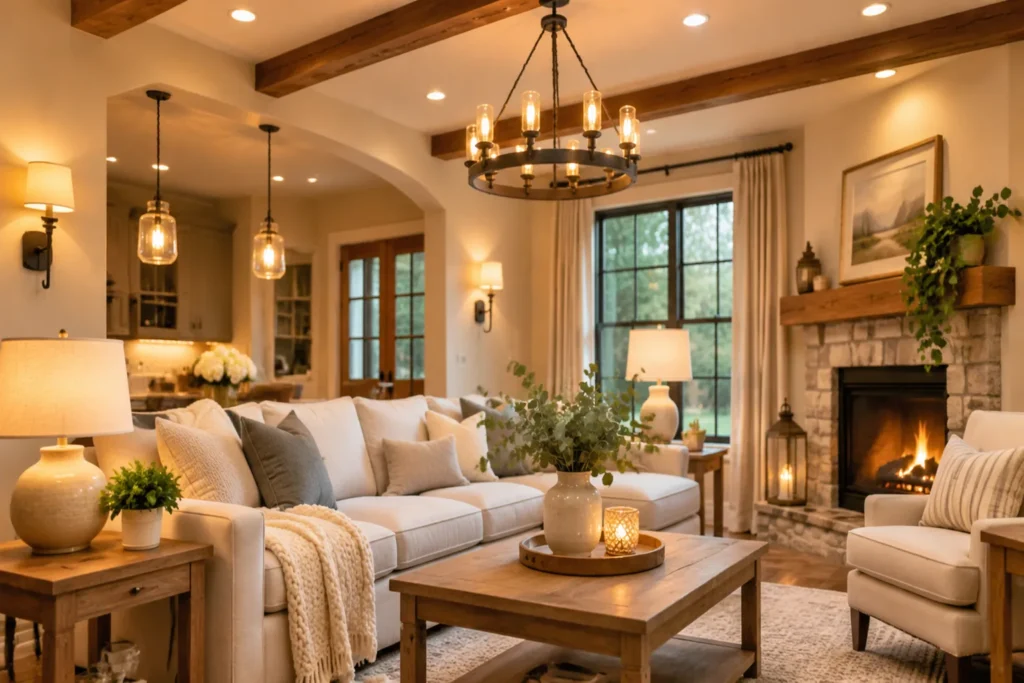
Choosing the right lighting can make a noticeable difference in how your home looks and feels. The right bulb can make a room feel warm and inviting, help you focus while you work, or create a calm setting for rest.
Understanding the different types of light bulbs makes shopping much easier. Some are designed to save energy, while others are chosen for their appearance, brightness, or ability to work with specific fixtures. This guide explains 20 practical options so you can find the best fit for each room.
1. LED Light Bulbs

LED (light-emitting diode) bulbs are among the most popular choices for modern homes because they use less energy than many older bulb types. They are available in a wide range of shapes, sizes, brightness levels, and color temperatures. LED bulbs also tend to last longer than incandescent or halogen bulbs, which can make them a practical choice for everyday lighting.
2. Incandescent Light Bulbs

Incandescent bulbs produce light by heating a thin wire filament until it glows. They create a familiar warm light that many people associate with traditional home lighting. Although they are less energy-efficient than LEDs, they are still available in many common shapes and sizes.
3. Halogen Light Bulbs
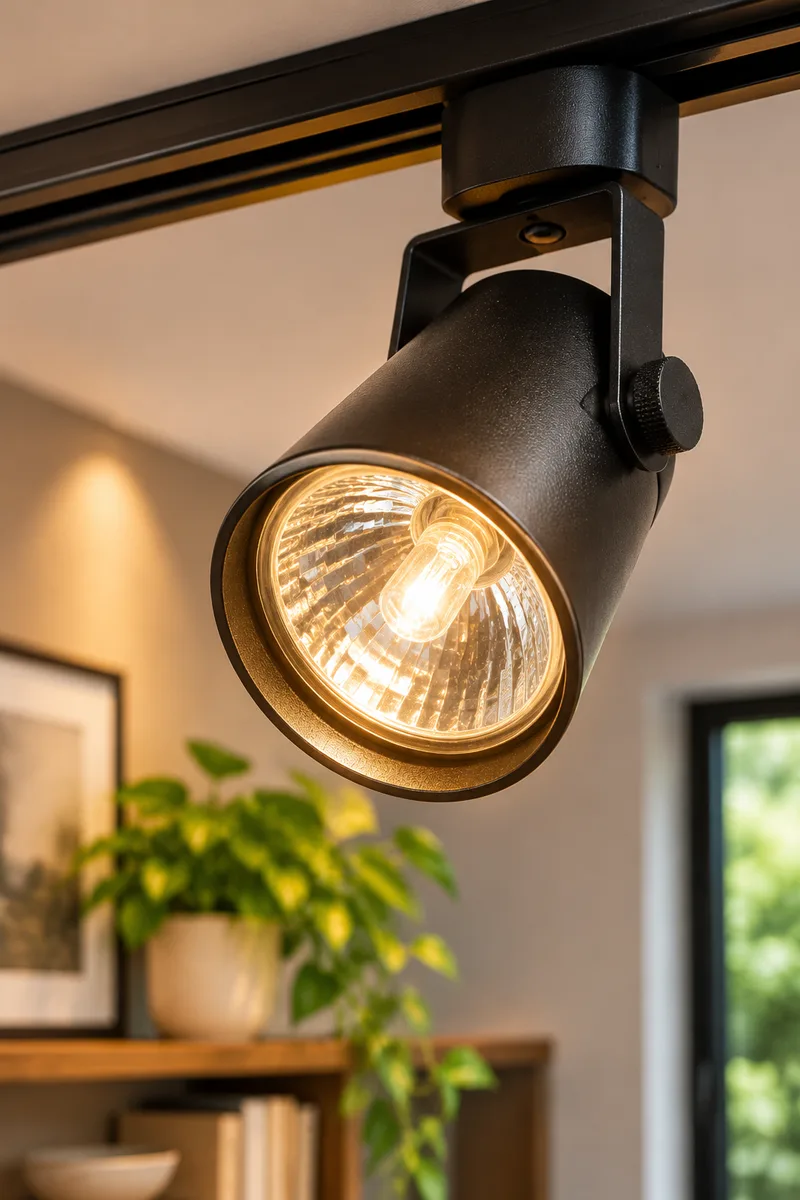
Halogen bulbs are a type of incandescent lighting that uses halogen gas to help maintain the filament. They produce a bright, clear light that works well for task lighting and display areas. Halogen bulbs can become hot during use, so they should be used in compatible fixtures with adequate ventilation.
4. Compact Fluorescent Light Bulbs (CFL)
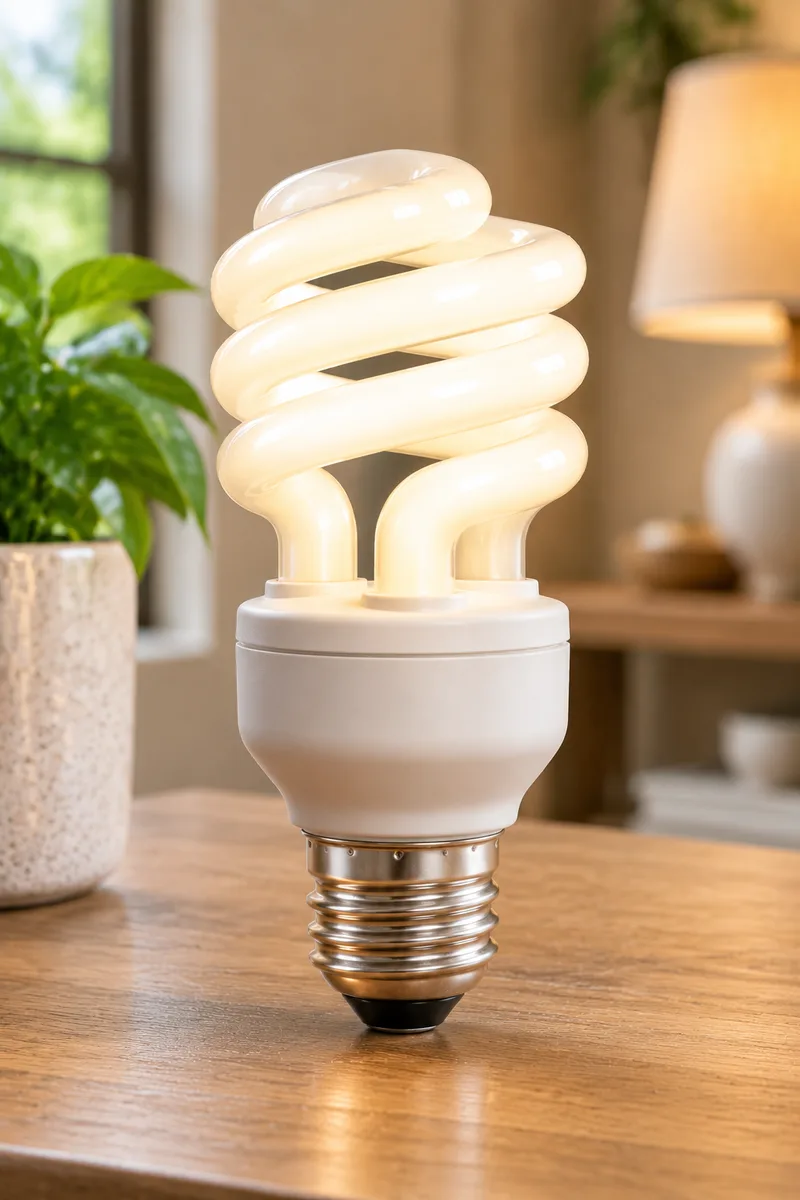
Compact fluorescent bulbs use fluorescent technology in a smaller, coiled or folded design that fits many standard fixtures. They generally use less electricity than traditional incandescent bulbs while providing a similar level of brightness. CFL bulbs are available in several color temperatures, including warm white and daylight.
5. Linear Fluorescent Light Bulbs
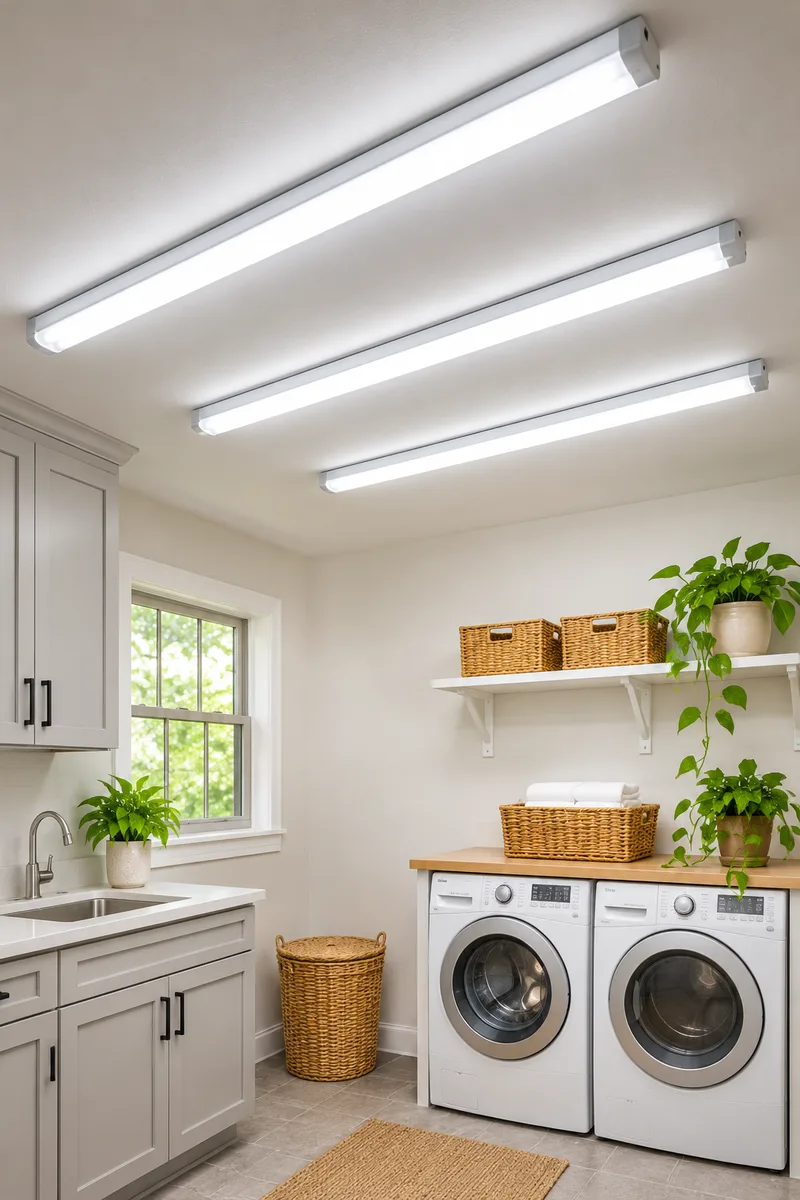
Linear fluorescent bulbs are long, tube-shaped lights commonly used in utility rooms, garages, workshops, and some kitchens. They provide even light across a larger area, which can be useful for workspaces. These bulbs require compatible fixtures and should be handled carefully because they contain a small amount of mercury.
6. Smart Light Bulbs
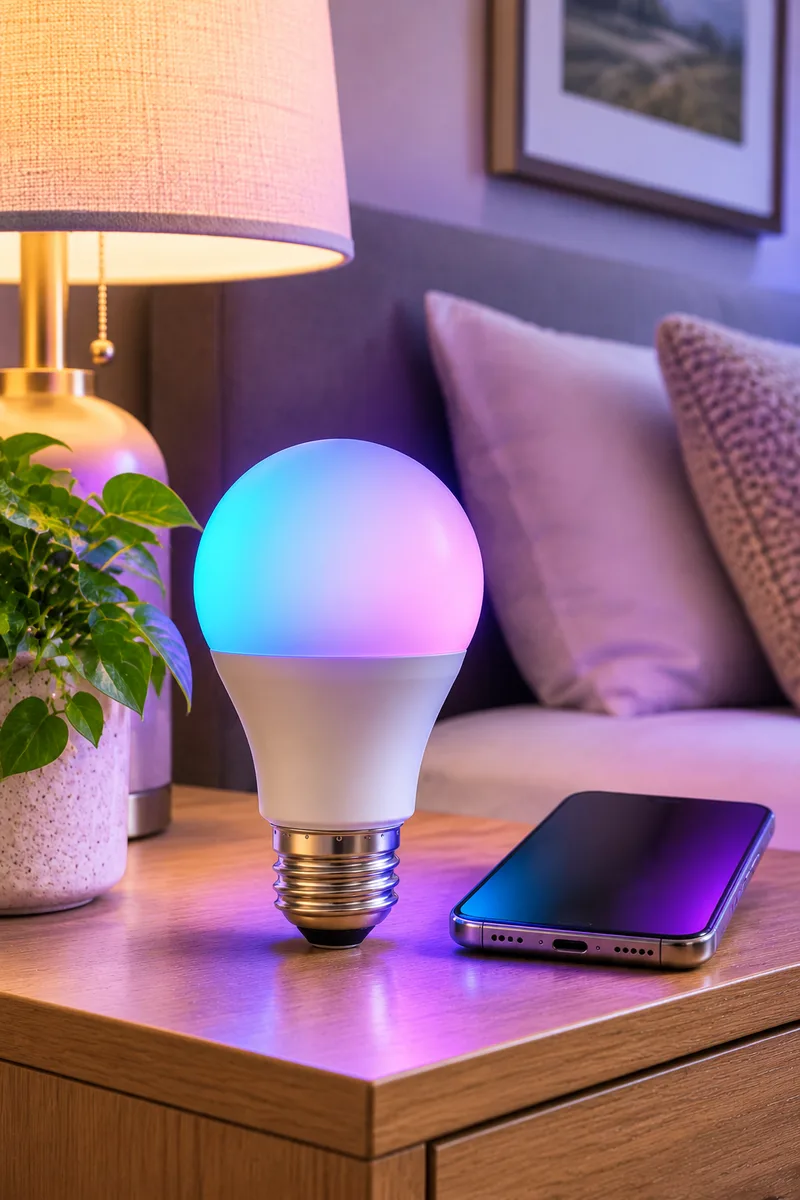
Smart light bulbs connect to a compatible home network, hub, or control system, allowing you to manage them through an app, voice control, or a schedule. Many smart bulbs let you adjust brightness or color temperature, and some models offer color-changing features. They can be a helpful option for creating different lighting scenes in living rooms, bedrooms, and home offices.
7. Full-Spectrum Light Bulbs
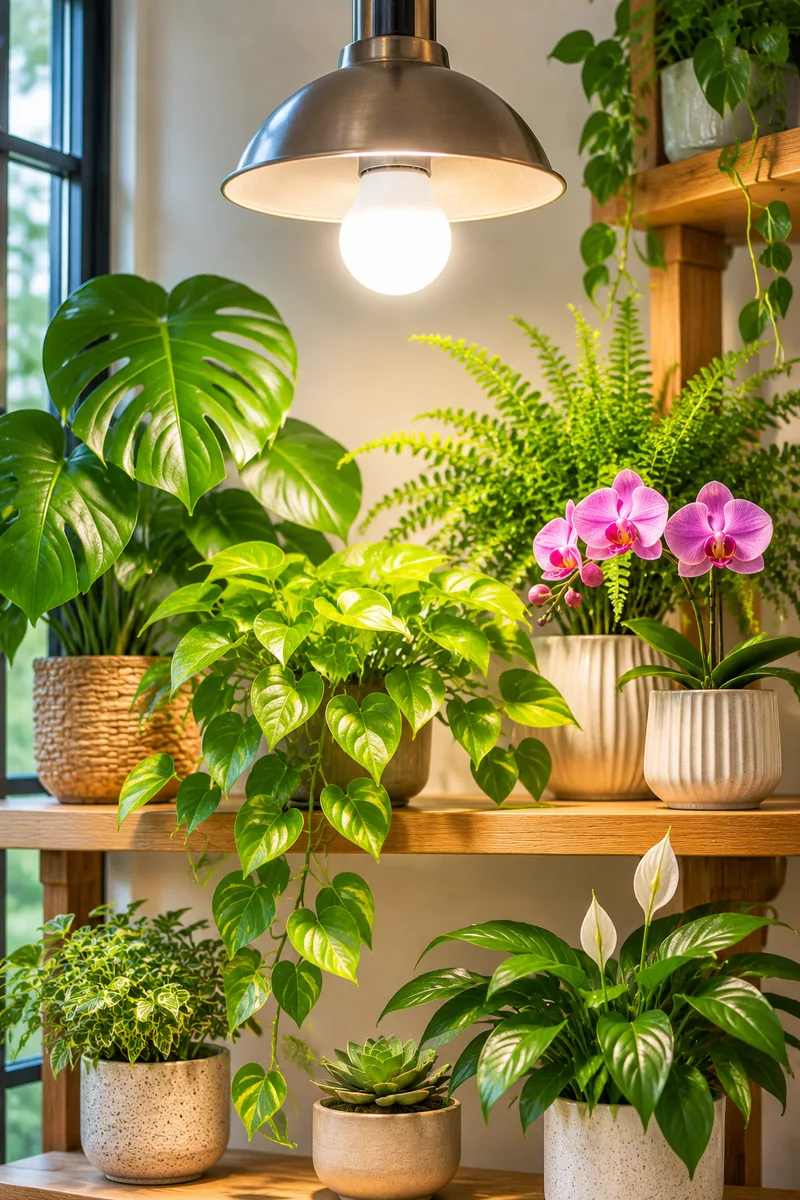
Full-spectrum bulbs are designed to provide a broad distribution of visible light that resembles some qualities of natural daylight. They are often used in reading areas, craft rooms, and other spaces where color accuracy matters. Full-spectrum bulbs are available in several technologies, including LED and fluorescent options.
8. Daylight Light Bulbs
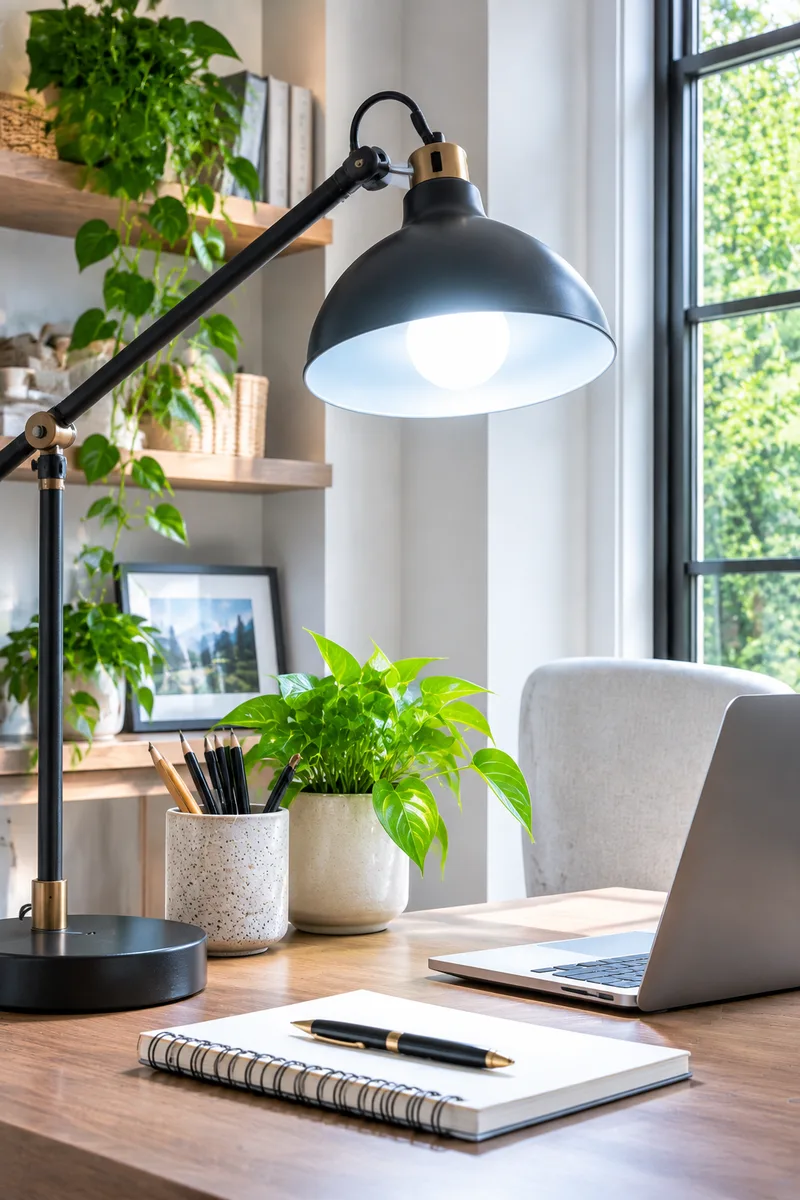
Daylight bulbs produce a cooler, brighter-looking white light, typically around 5,000K to 6,500K. They can help create a clear, alert feeling in kitchens, bathrooms, home offices, and work areas. Daylight bulbs are a practical choice when you want lighting that feels closer to natural daylight.
9. Soft White Light Bulbs
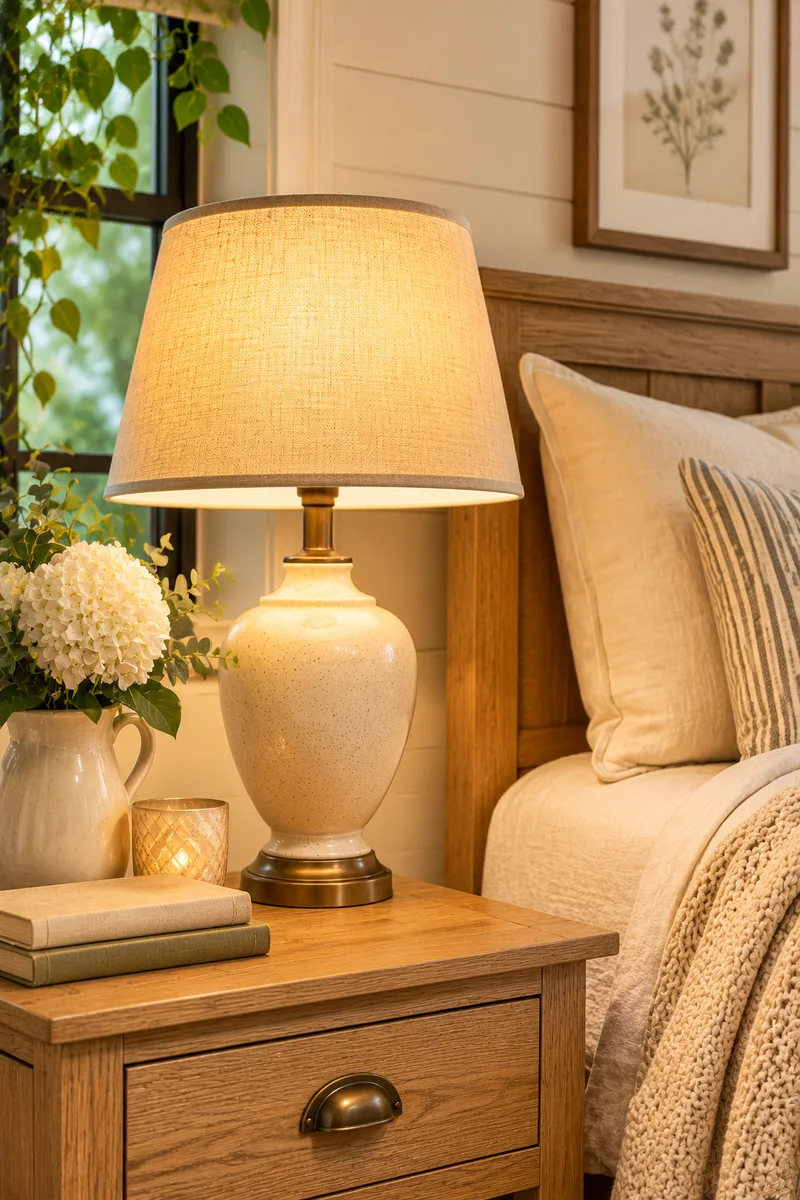
Soft white bulbs usually produce a warm, gentle glow with a color temperature around 2,700K to 3,000K. They are well suited to living rooms and bedrooms, where a relaxed and comfortable atmosphere is often preferred. Soft white lighting can also make wood tones and warm-colored furnishings look more inviting.
10. Tunable-White Light Bulbs
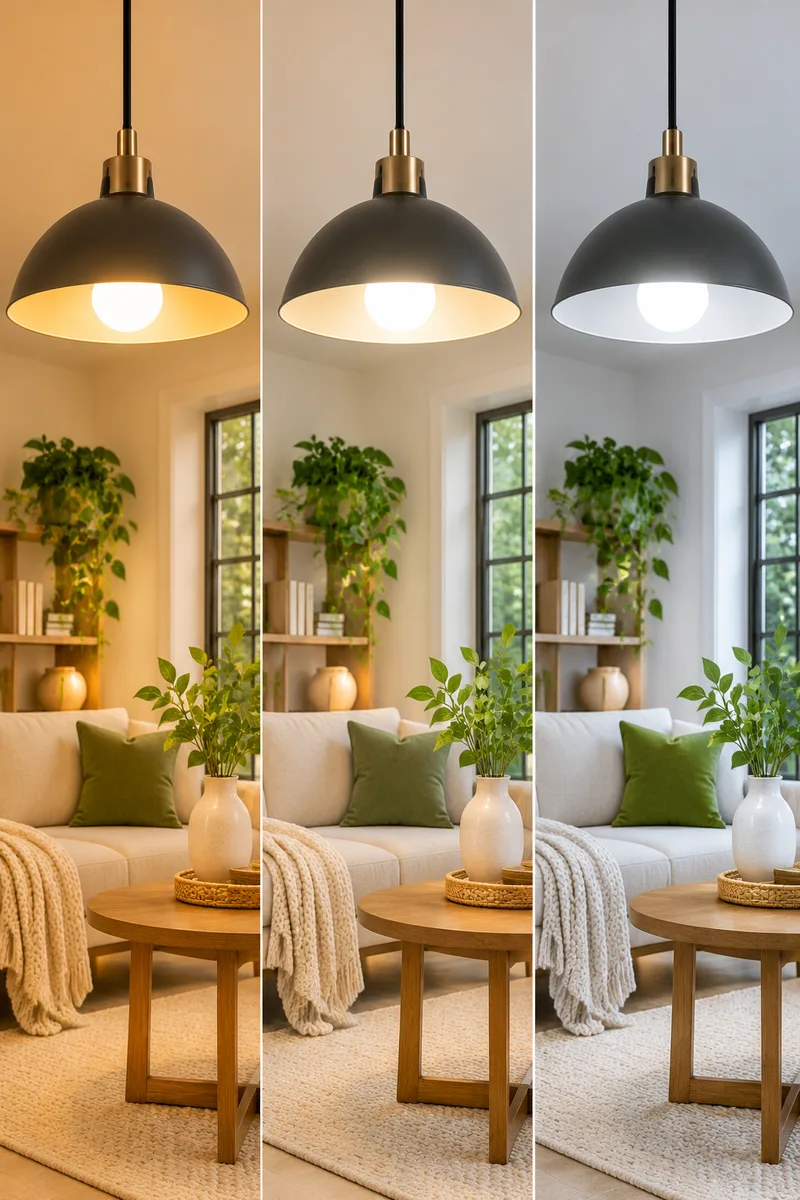
Tunable-white bulbs allow you to adjust the color temperature between warmer and cooler shades of white light. This flexibility can be useful in rooms that serve more than one purpose, such as a living room used for both relaxing and working. You can choose a warmer setting in the evening and a cooler setting when you need more focused light.
11. Color-Changing Light Bulbs
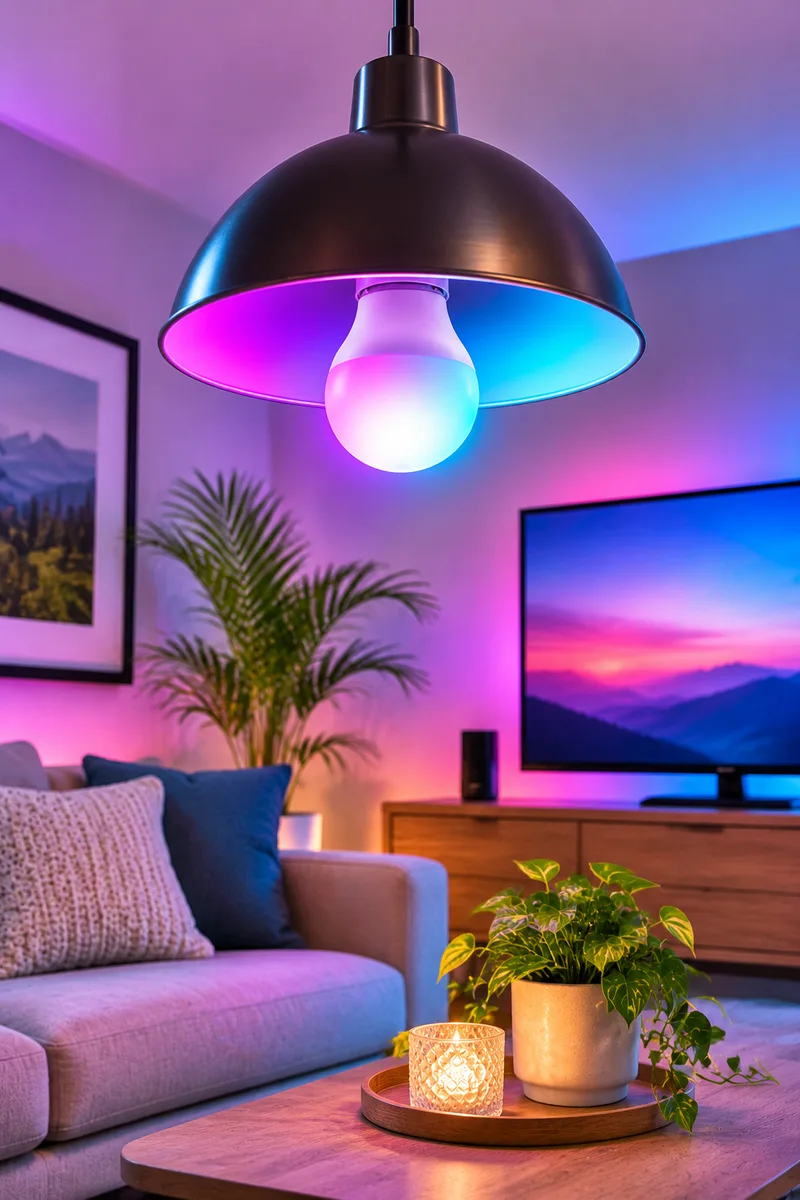
Color-changing bulbs let you select different lighting colors to suit your mood, activities, or interior style. They are commonly used for accent lighting, parties, children’s rooms, and seasonal decorating. Many color-changing bulbs are LED-based and can be controlled through an app or a compatible remote.
12. Edison-Style Light Bulbs

Edison-style bulbs feature a vintage-inspired appearance, often with clear or amber-tinted glass and visible filaments. They are popular in pendant lights, exposed fixtures, and rustic or industrial-style interiors. Edison-style bulbs are available in both traditional incandescent and energy-efficient LED versions.
13. Globe Light Bulbs
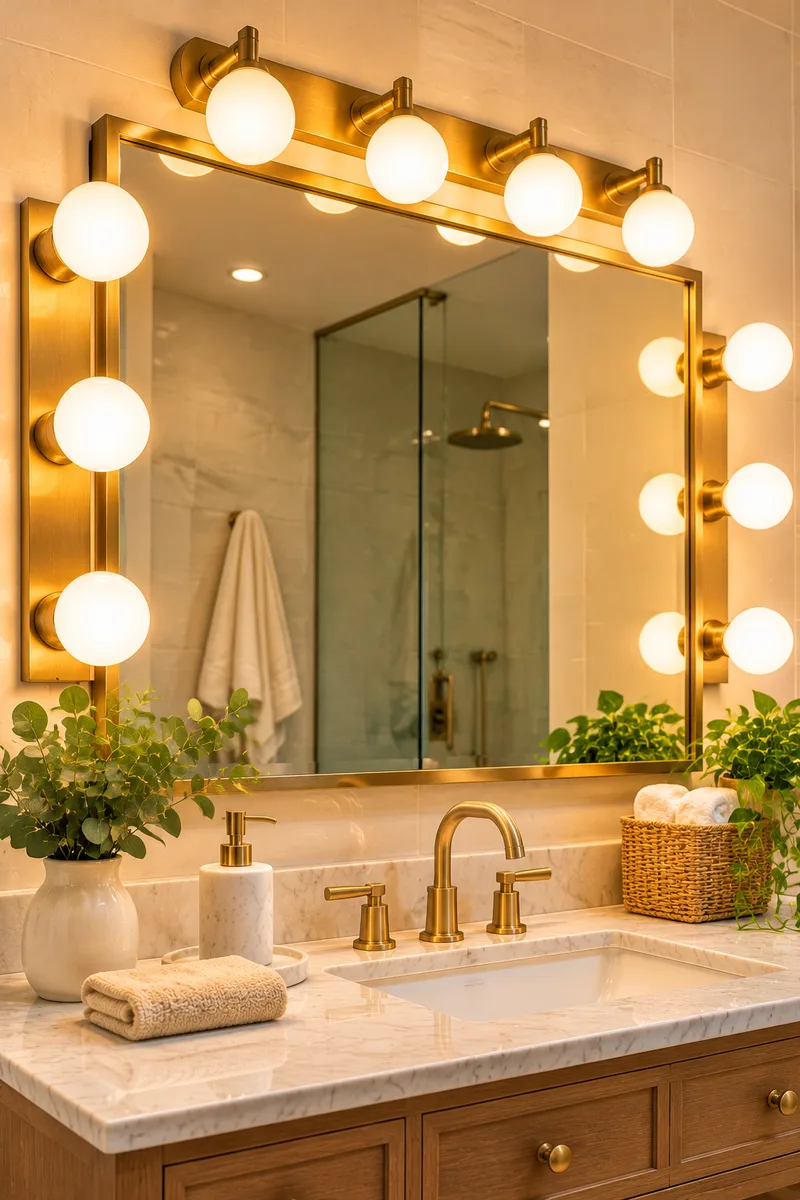
Globe bulbs have a rounded shape that creates a distinctive decorative appearance. They are commonly used in bathroom vanities, dressing areas, and exposed fixtures where the bulb itself is part of the design. Globe bulbs are available in several sizes and in LED, incandescent, and other technologies.
14. Candle-Shaped Light Bulbs (Type B)
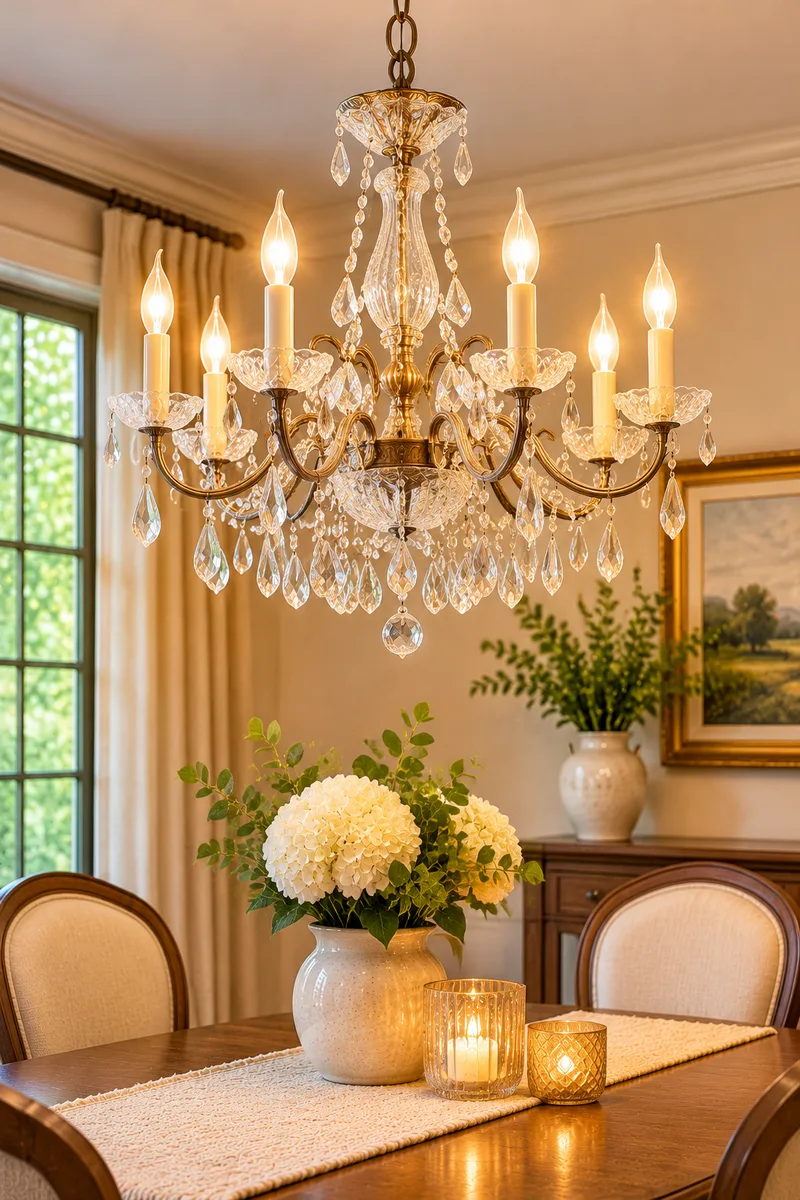
Candle-shaped bulbs, often identified by the Type B designation, have a narrow, flame-like profile designed to fit chandeliers, wall sconces, and other decorative fixtures. Their slim shape makes them suitable for fixtures where a standard bulb would look too bulky. Candle-shaped bulbs are available in warm white, daylight, and other color temperatures.
15. Reflector Light Bulbs (BR and PAR)

Reflector bulbs are designed to direct light toward a particular area instead of spreading it evenly in all directions. They are commonly used in recessed fixtures, track lighting, and outdoor floodlights. Reflector bulbs are identified by codes such as BR and PAR, which describe their shape and beam characteristics.
16. Tubular Light Bulbs

Tubular bulbs have a long, narrow shape that makes them suitable for fixtures with limited space or for applications that require a line of light. They are commonly found in under-cabinet lighting, display cases, and some appliance fixtures. Tubular bulbs are available in several lengths and technologies, including LED and fluorescent options.
17. Two-Pin Light Bulbs
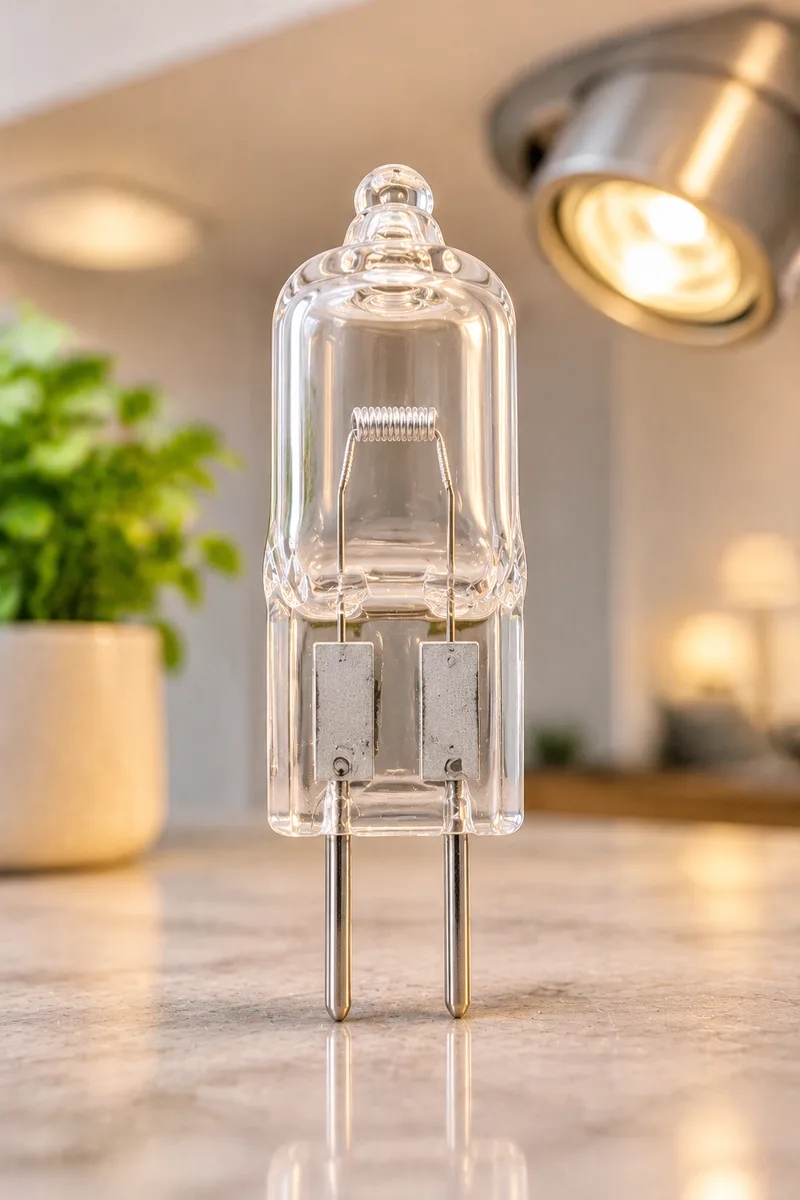
Two-pin bulbs use a pair of metal pins rather than a traditional threaded screw base. They are commonly used in desk lamps, under-cabinet lights, landscape lighting, and certain specialty fixtures. When replacing a two-pin bulb, it is important to match the pin spacing and voltage to the fixture.
18. Recessed Light Bulbs
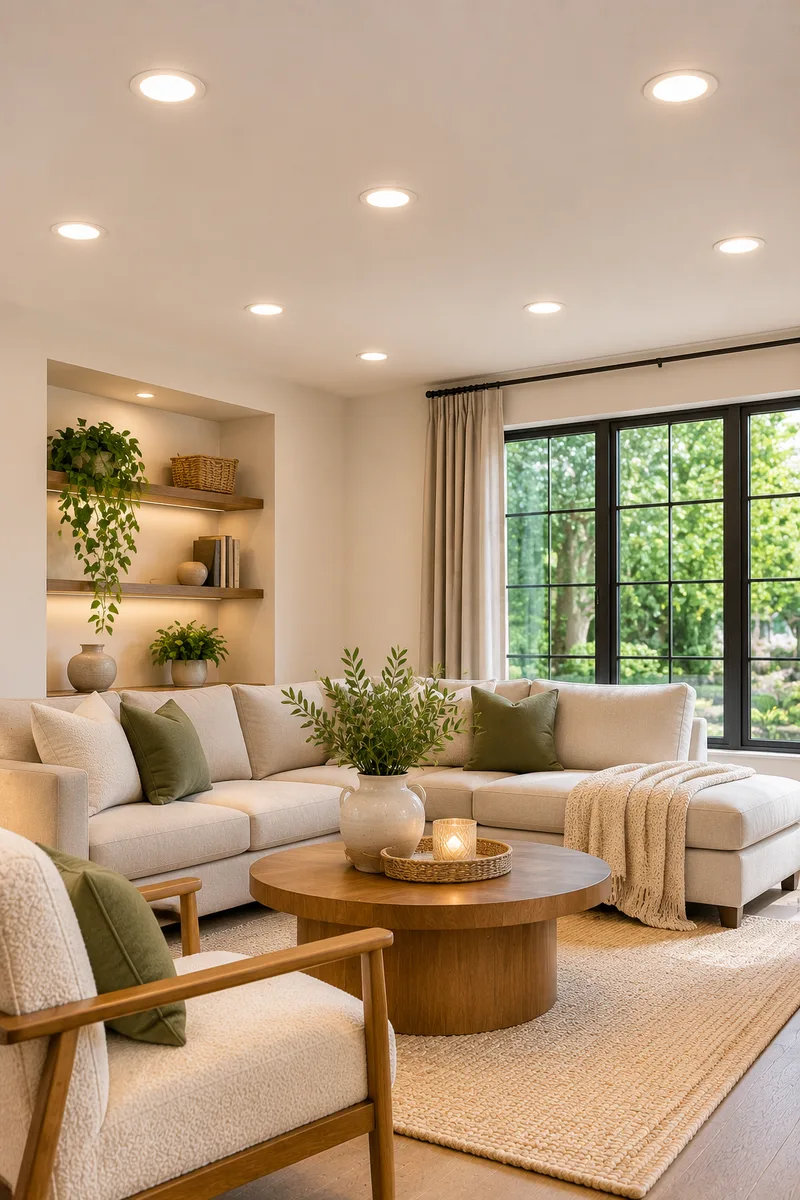
Recessed lighting sits inside the ceiling, creating a clean appearance without a hanging fixture. LED recessed bulbs are a common choice because they provide focused light while using less energy than many older options. Recessed bulbs are often used in kitchens, hallways, living rooms, and bathrooms.
19. Outdoor-Rated Light Bulbs

Outdoor-rated bulbs are designed for fixtures intended to operate in exterior environments. They are commonly used in porch lights, patio fixtures, landscape lighting, and security lights. Outdoor-rated bulbs should be chosen to match the fixture’s weather rating and the conditions in your area.
20. Appliance Light Bulbs

Appliance bulbs are made for specialized fixtures such as ovens, refrigerators, and certain range hoods. They are designed to handle conditions such as heat, cold, or vibration that standard household bulbs may not tolerate. Always check the appliance manual for the correct bulb type, size, and maximum wattage.
21 How to Choose the Right Type of Light Bulb
Start by checking the fixture before choosing a bulb. Look at the socket type, bulb shape, maximum wattage, and any size limits so the bulb will fit and work safely. Then consider the brightness you need by comparing lumens, which measure light output, rather than relying only on watts.
Think about how each room is used and choose lighting accordingly. Soft-white LEDs work well in bedrooms and living rooms, while daylight or cooler white lighting can be useful in kitchens, bathrooms, and workspaces. Energy efficiency, dimmer compatibility, and the overall style of the fixture are also worth considering.
22 Quick Checklist
- Check the bulb base: Make sure the screw, pin, or specialty base matches your fixture.
- Choose the right brightness: Compare lumens to find the amount of light you need.
- Select a color temperature: Choose warm white for relaxing spaces and cooler white for task-focused areas.
- Compare energy use: Consider efficient LED options for everyday household lighting.
- Check fixture compatibility: Confirm voltage, maximum wattage, dimmer support, and size.
- Consider the location: Choose appropriately rated bulbs for bathrooms, outdoor fixtures, appliances, and other specialized uses.
23 Conclusion
Finding the right light bulb is about more than simply making a room brighter. The right combination of brightness, color temperature, shape, and technology can make each room more comfortable and functional.
Before making a purchase, take a moment to check your fixture requirements and think about how you will use the room. With 20 options to consider, you can choose lighting that fits your home, your style, and your budget.
24 Frequently Asked Questions
1. What is the best type of light bulb for a home?
LED bulbs are a popular choice for most household lighting because they offer energy efficiency, long life, and a wide range of brightness and color options. They are available in many shapes and sizes, making it easier to find one that fits a standard fixture.
2. Which light bulbs use the least electricity?
LED bulbs generally use the least electricity among common household bulb technologies when compared at a similar brightness level. They also tend to last longer than incandescent and halogen bulbs, which can reduce how often you need to replace them.
3. What is the difference between soft white and daylight bulbs?
Soft-white bulbs produce a warmer glow, usually around 2,700K to 3,000K, while daylight bulbs generally produce a cooler, brighter-looking white light around 5,000K to 6,500K. Soft white is often chosen for relaxing spaces, while daylight is often chosen for task-focused areas.
4. Can I use LED bulbs in any light fixture?
Not always. You need to check the fixture’s base, voltage, size, enclosed-fixture rating, dimmer compatibility, and maximum wattage before installing an LED bulb.
5. Are smart light bulbs worth buying?
Smart bulbs can be worthwhile if you want app-based controls, automatic schedules, adjustable brightness, or color-changing features. They are most useful in rooms where you regularly change the lighting, such as living rooms and bedrooms.