


Wood siding brings natural warmth, character, and texture to a home’s exterior. Whether you love the charm of a traditional farmhouse, the simplicity of a modern cabin, or the elegance of a contemporary home, the right siding can make a noticeable difference in its appearance.
With so many wood siding types available, choosing the right one can feel overwhelming. This guide explores 15 options, including natural wood, engineered materials, traditional siding profiles, and decorative alternatives, to help you find a style that suits your home, budget, and maintenance needs.
1. Clapboard Siding

Clapboard siding features long, horizontal wooden boards that overlap to create a classic exterior. It works beautifully on traditional cottages, Colonial homes, and farmhouses. Soft white, sage green, and muted blue finishes can give this siding a welcoming appearance.
2. Masonite Siding

Masonite is a type of hardboard siding made from compressed wood fibers. It offers a relatively uniform surface that works well with painted finishes and simple architectural designs. Proper sealing and regular inspections are important because moisture can cause swelling and deterioration.
3. Wood Panel Siding
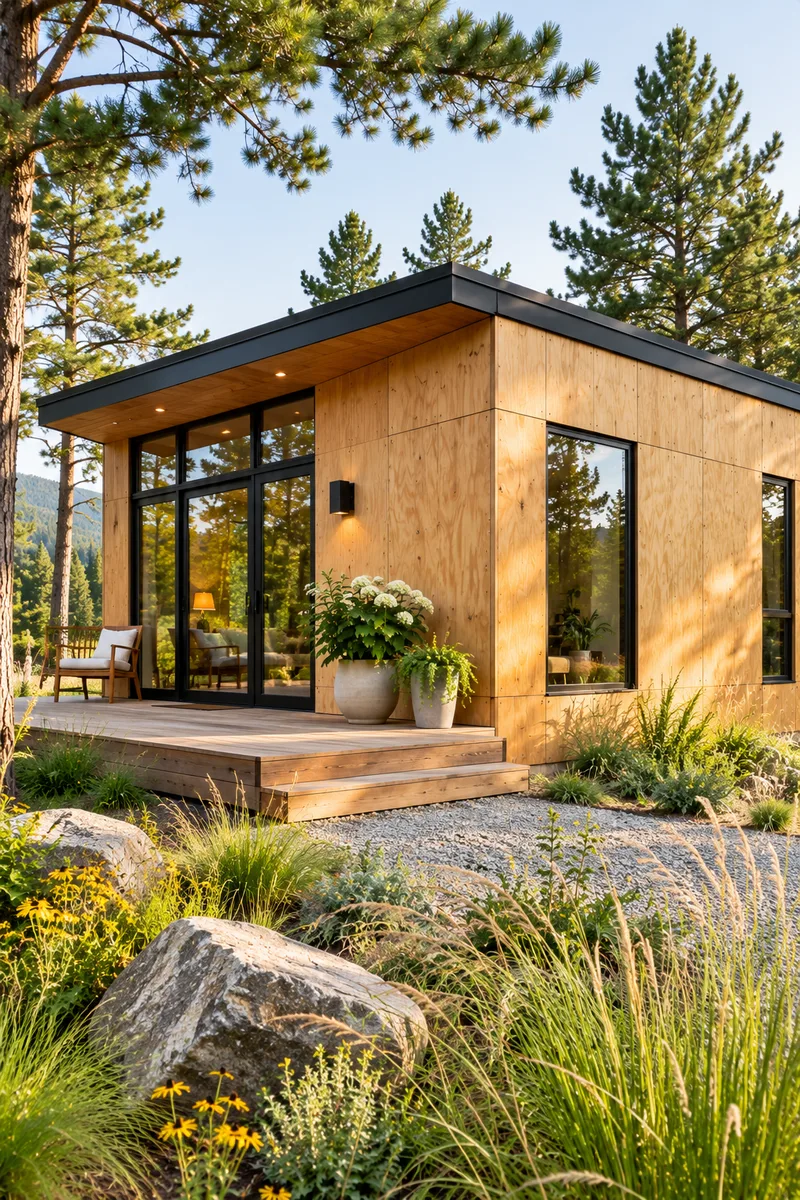
Wood panel siding uses large exterior-grade wooden sheets instead of individual boards. Its simple appearance complements contemporary homes, garden studios, and compact cabins. Grooved panels can introduce additional texture, while properly sealed edges help protect against moisture.
4. Tongue and Groove Siding

Tongue and groove siding consists of boards with interlocking edges that fit neatly together. This creates a continuous surface with subtle lines and a refined appearance. It can be installed horizontally or vertically, depending on the product and installation requirements.
5. Cedar Wood Siding
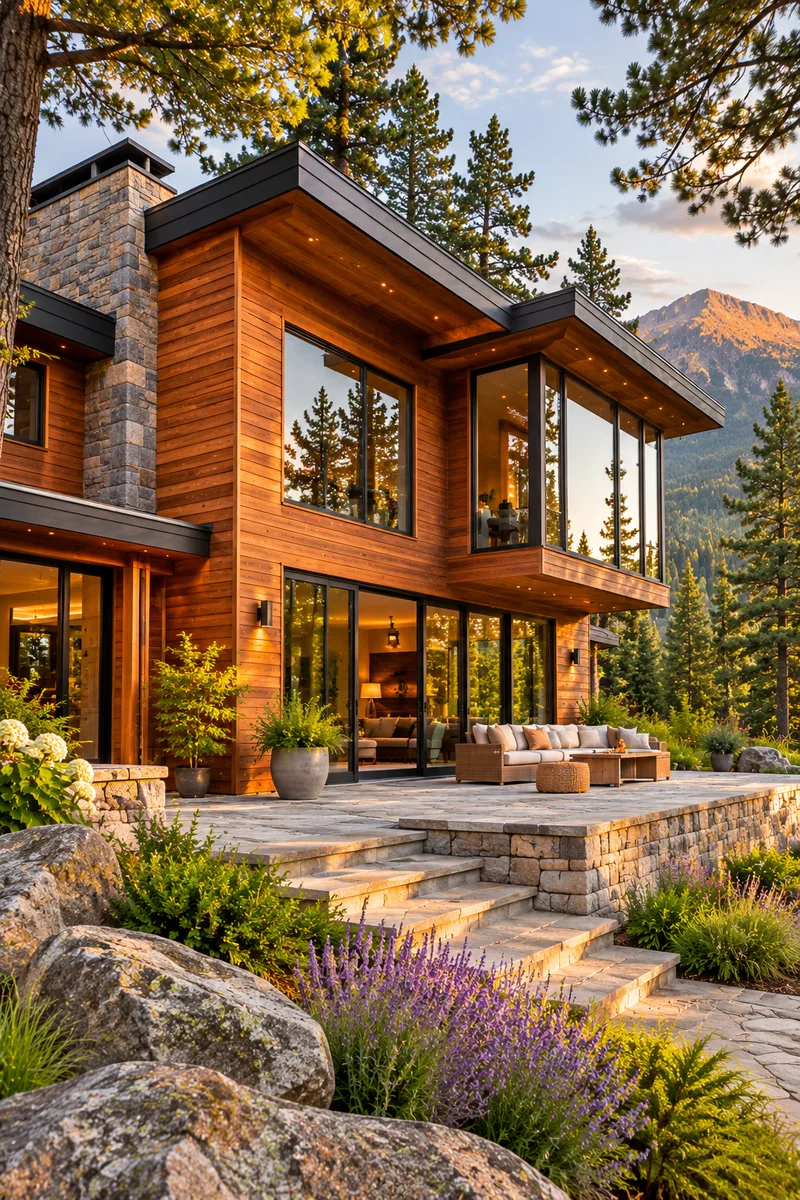
Cedar is popular for its beautiful grain, warm natural tones, and natural resistance to decay. It looks particularly attractive on woodland cabins, mountain retreats, and contemporary houses. A suitable exterior stain can help preserve its color and protect the surface from weathering.
6. Wood Lap Siding
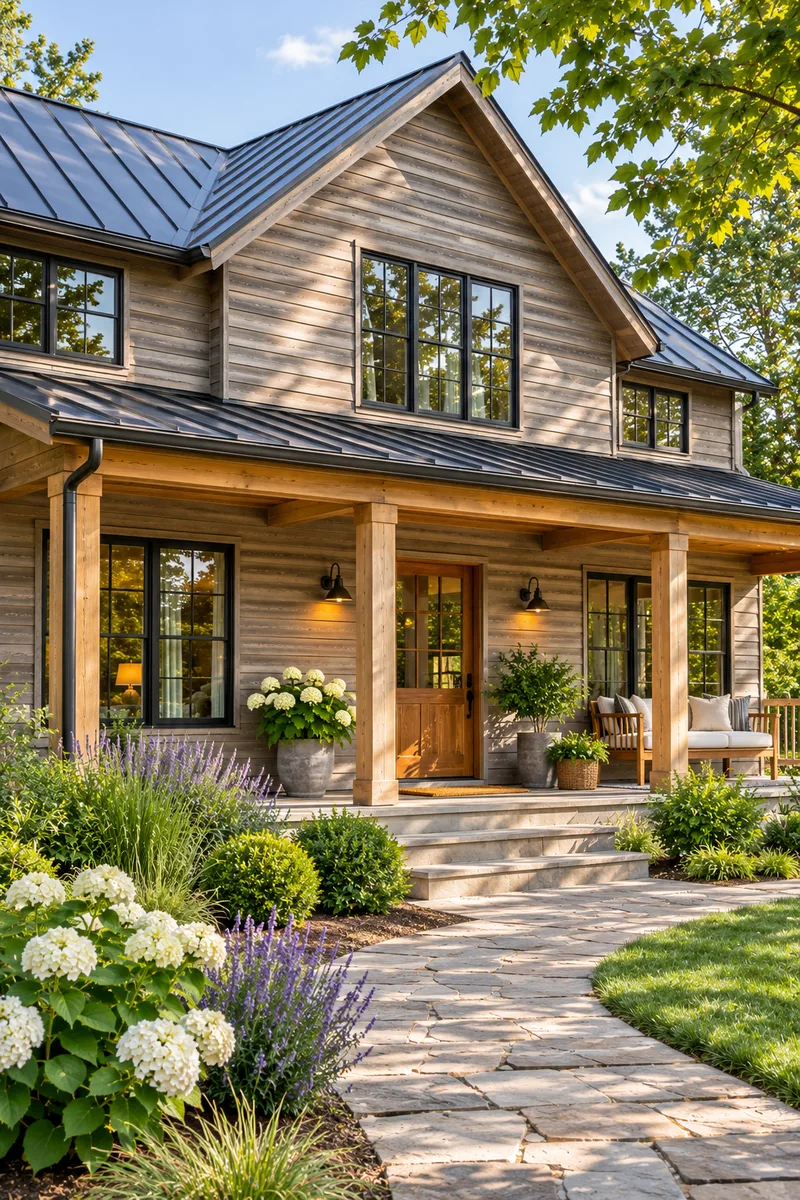
Wood lap siding features overlapping horizontal boards that create attractive shadow lines across an exterior. Wider boards can give a home a relaxed, contemporary appearance, while narrower boards suit more traditional architecture. Correct installation and moisture management are essential for long-term performance.
7. Engineered Wood Siding
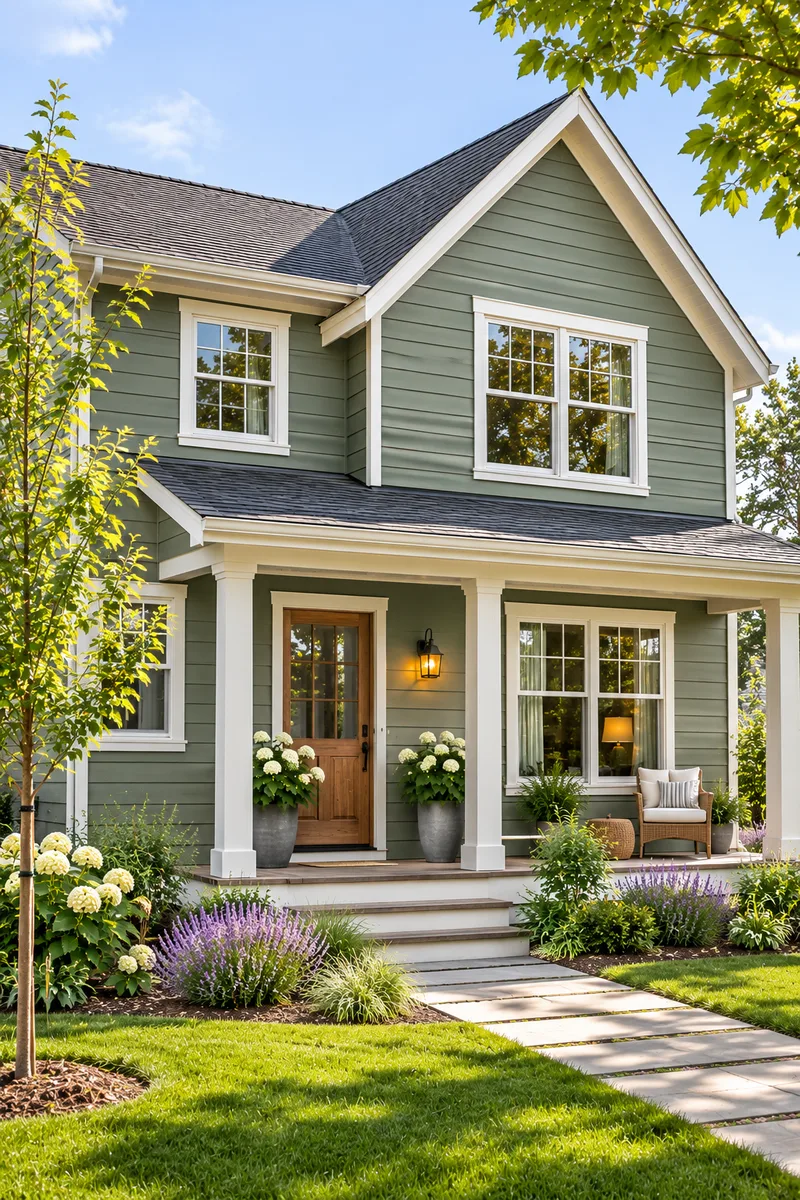
Engineered wood siding is manufactured using wood strands or fibers combined with bonding materials and protective treatments. It provides a wood-like appearance with consistent dimensions and various factory-finished options. It can be a practical alternative to solid wood when installed and maintained according to the manufacturer’s instructions.
8. Pine Wood Siding
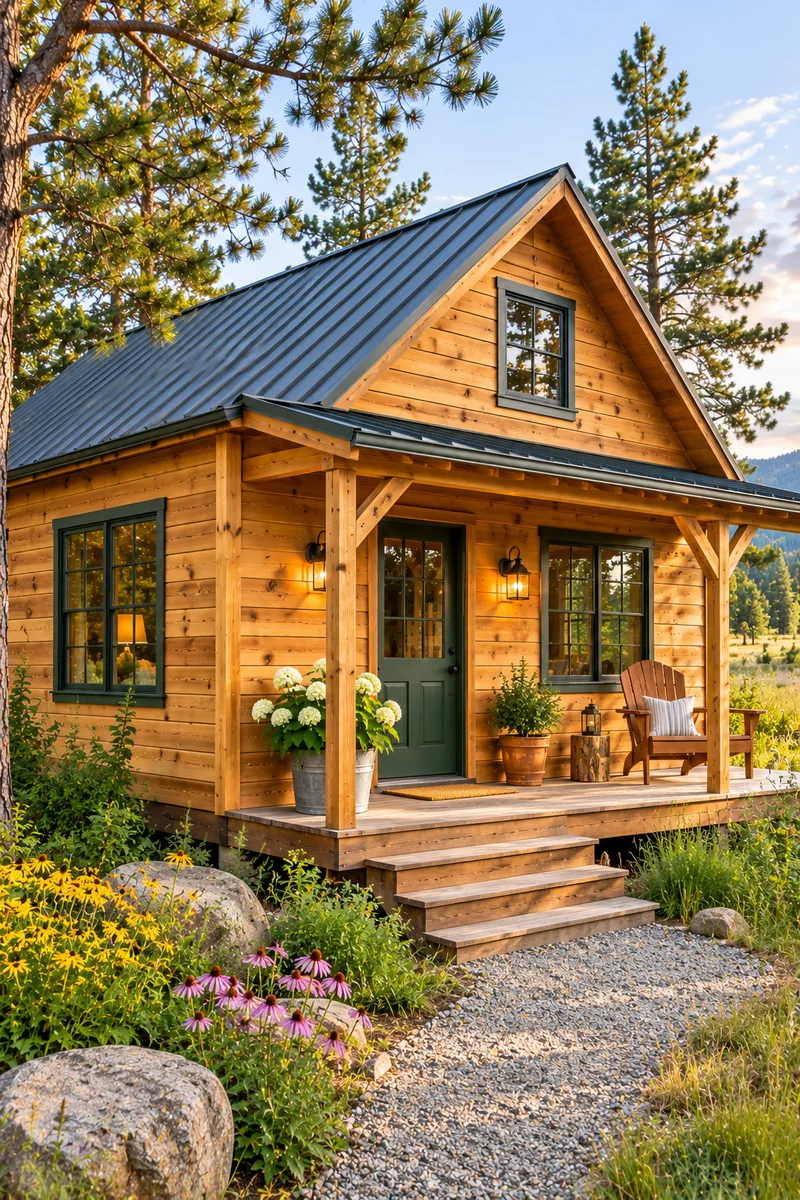
Pine siding offers a light, natural appearance with distinctive knots and visible wood grain. It is often a budget-friendly choice for rustic cottages, countryside homes, and small cabins. Pine generally requires protective finishes and regular maintenance to reduce moisture damage.
9. Dutch Lap Wood Siding

Dutch lap siding features a shaped upper edge that creates a decorative recess between horizontal boards. This distinctive profile adds depth and character to traditional home exteriors. Consider muted blue, olive green, or warm cream paint for a timeless look.
10. Faux Wood Siding

Faux wood siding recreates the appearance of natural timber using materials such as vinyl, fiber cement, or metal. It is worth considering if you enjoy wooden exteriors but prefer an alternative to traditional timber maintenance. Durability, appearance, and upkeep requirements vary depending on the material.
11. Log-Style Siding
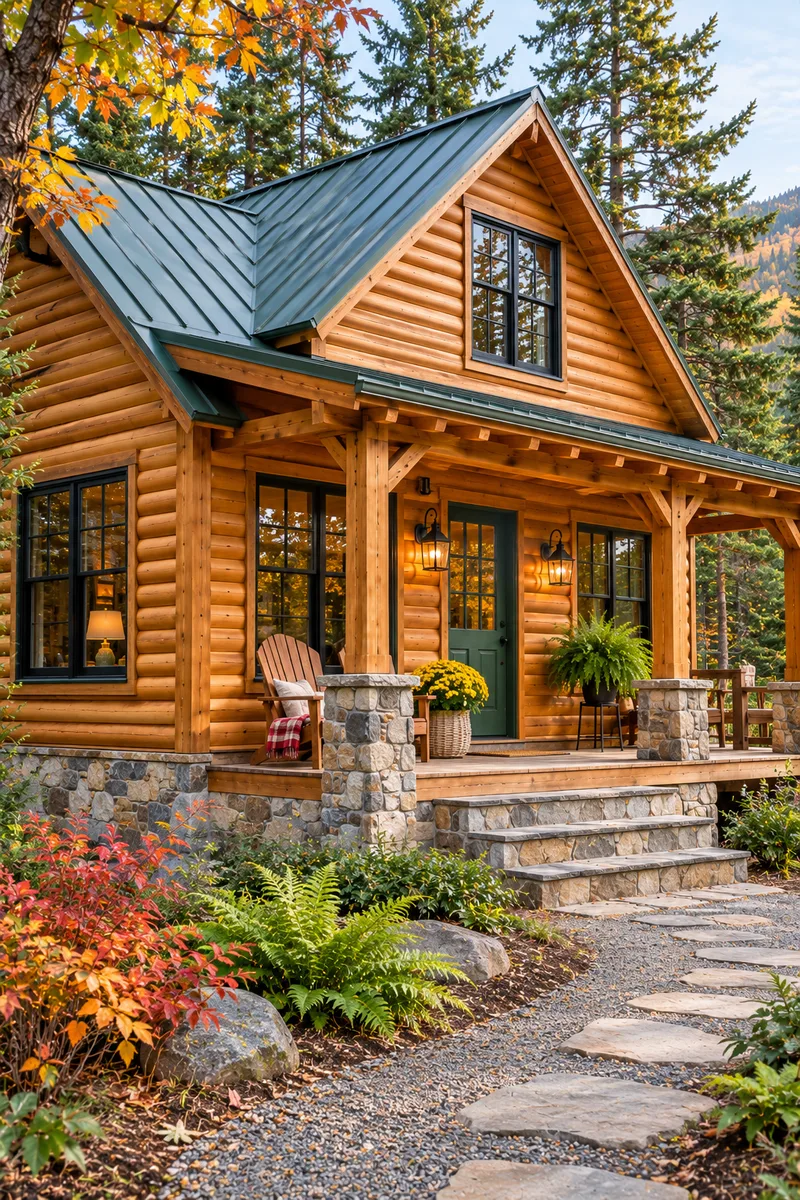
Log-style siding uses rounded profiles to create the appearance of a traditional log cabin without requiring full-log construction. It is available in natural wood and manufactured alternatives. Pair it with stone foundations, dark window frames, and wooden porches for a cozy mountain-inspired exterior.
12. Shiplap Wood Siding

Exterior shiplap features wooden boards with overlapping rabbeted edges that create clean, defined joints. Its simple lines make it suitable for modern farmhouses, coastal cottages, and Scandinavian-inspired homes. Always choose exterior-rated shiplap designed for outdoor exposure rather than interior decorative products.
13. Vertical Wood Siding
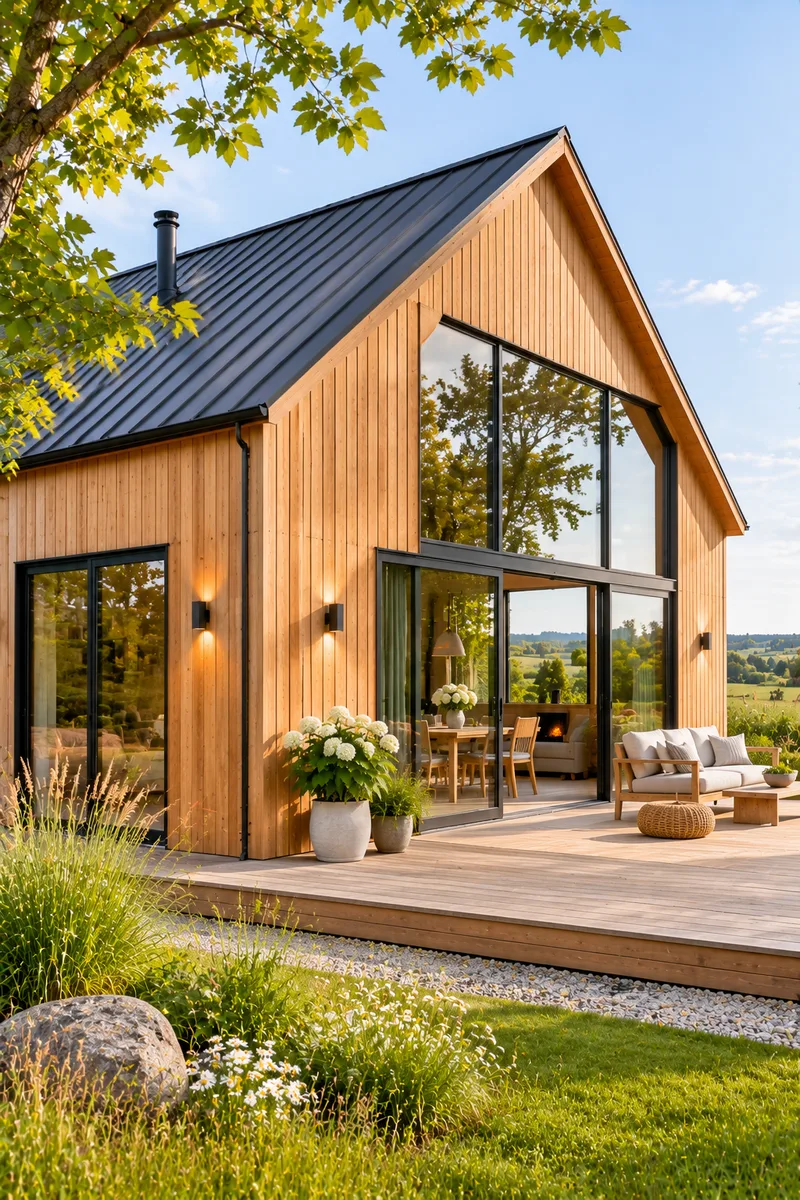
Vertical wood siding introduces upward-running lines that can make a home appear taller and more spacious. Natural timber finishes work especially well with minimalist architecture, large windows, and dark metal roofs. This orientation is also a stylish choice for small barn-inspired homes and backyard studios.
14. Wood Shingle Siding
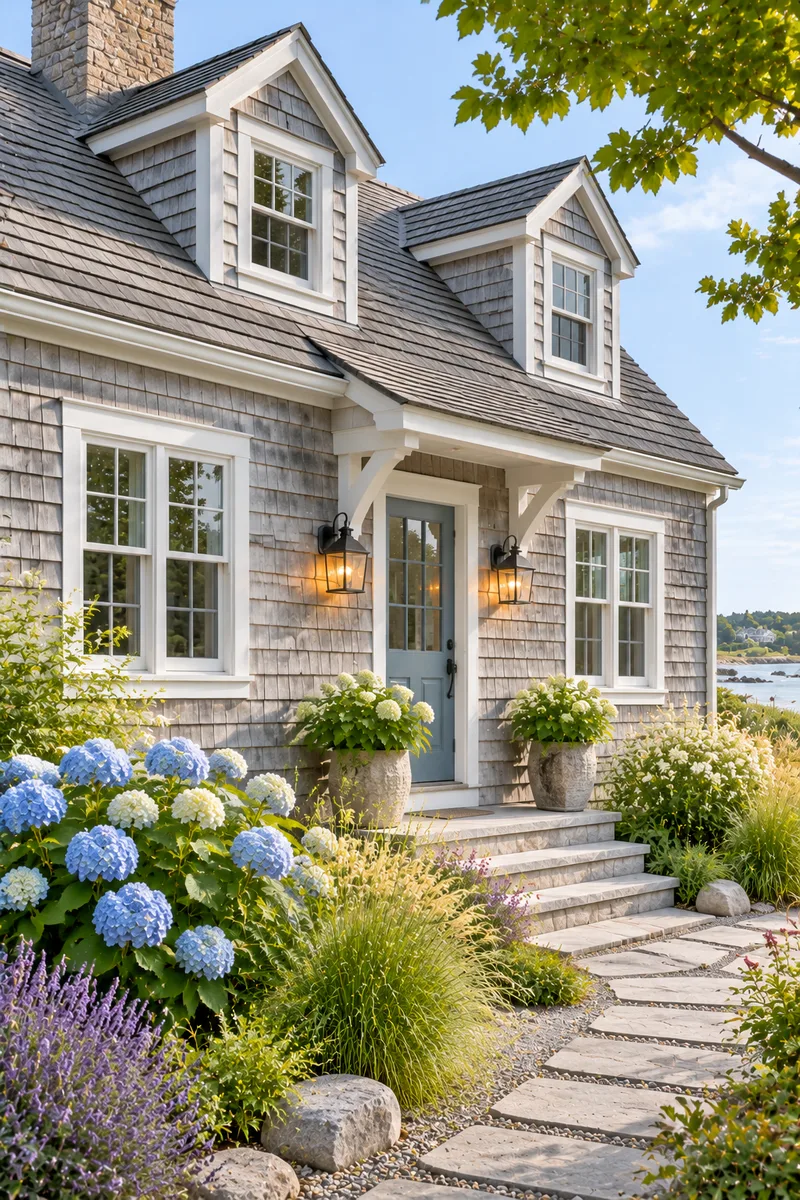
Wood shingle siding consists of relatively thin, uniform wooden pieces installed in overlapping rows. Its layered texture adds charm to coastal cottages, Craftsman homes, and traditional country houses. Cedar shingles are a popular option, although they still require appropriate installation and maintenance.
15. Board and Batten Siding
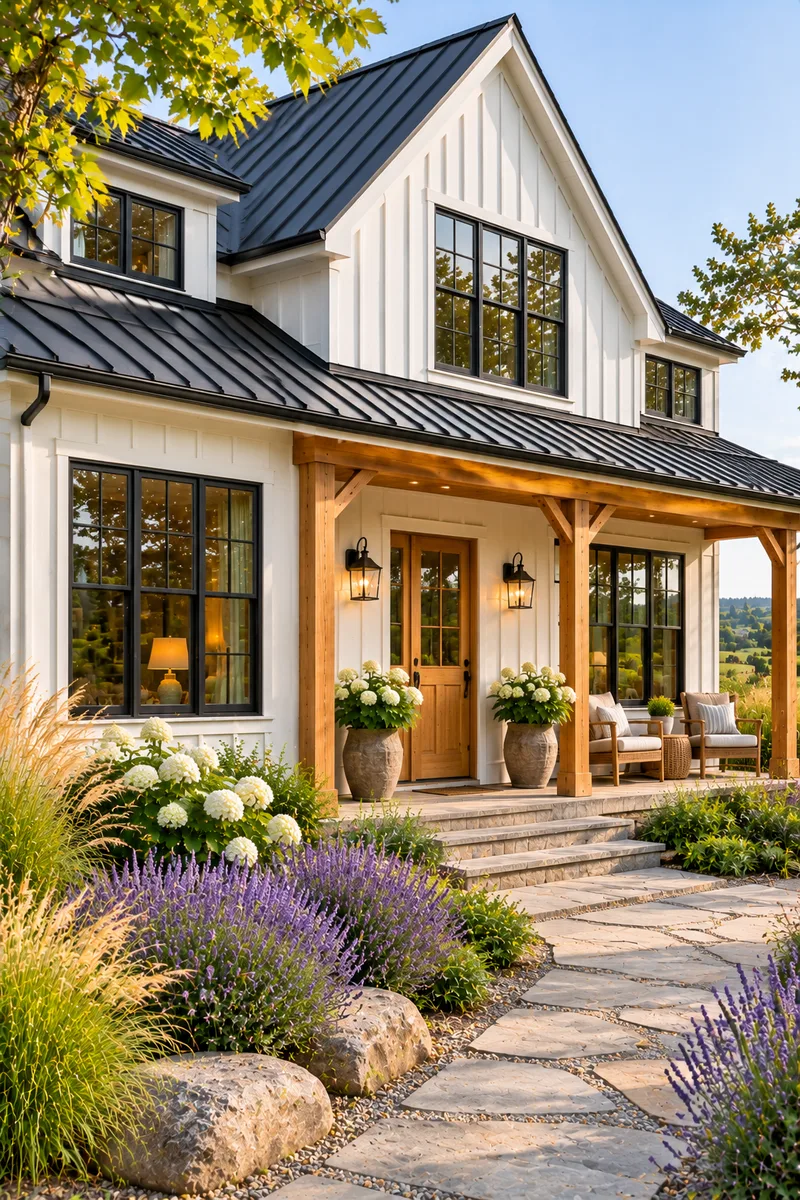
Board and batten siding combines wide vertical wooden boards with narrow strips that cover the joints. Its distinctive pattern creates a charming exterior that suits modern farmhouses, rustic cabins, and barn-style homes. Natural wood, charcoal black, and warm white are attractive finish options for this timeless design.
16 How to Choose the Right Wood Siding Type
Start by considering your home’s architectural style, local climate, and the exterior appearance you want to achieve. Clapboard and Dutch lap siding complement traditional houses, while vertical siding and shiplap work well with contemporary designs. Cedar shingles and board and batten siding are excellent options for creating a cozy, character-filled exterior.
Next, think about your budget and how much time you can dedicate to maintenance. Natural wood offers distinctive texture and character but typically requires periodic sealing, staining, or painting. Engineered wood and faux wood alternatives may offer different maintenance advantages, so compare installation costs, product warranties, moisture protection, and long-term care requirements before making your decision.
17 Quick Checklist
- Choose a siding style that complements your home’s architecture.
- Consider your local climate and exposure to moisture.
- Compare material, installation, and long-term maintenance costs.
- Select exterior-rated materials and suitable protective finishes.
- Check local building codes and fire safety requirements.
- Review physical samples before choosing your final color and texture.
18 Conclusion
The right wood siding can transform your home’s exterior into a warm, inviting space filled with natural character. From traditional clapboard and textured cedar shingles to contemporary vertical timber and board and batten designs, each option brings something different to your home’s appearance.
Take time to compare materials, finishes, and maintenance requirements before making your final choice. A thoughtfully selected siding material can help you create a beautiful exterior that complements your lifestyle and remains enjoyable for years to come.
19 Frequently Asked Questions
What is the best type of wood siding for a house?
Cedar is a popular choice because of its attractive grain and natural resistance to decay. However, the best siding depends on your climate, budget, architectural style, and maintenance preferences.
What is the most affordable wood siding type?
Pine and some engineered wood products are often more affordable than premium natural wood options. Total costs depend on material quality, local labor rates, installation requirements, and protective finishes.
How long does wood siding last?
Well-maintained wood siding can last several decades under suitable conditions. Its lifespan depends on the wood species, installation quality, climate, and ongoing maintenance.
Is vertical or horizontal wood siding better?
Horizontal siding provides a traditional appearance, while vertical siding creates a taller, more contemporary look. Both can perform well when installed with appropriate drainage, flashing, and moisture protection.
Does wood siding require regular maintenance?
Yes, natural wood siding requires periodic cleaning, inspections, and renewal of protective finishes. Checking for moisture damage, peeling paint, and damaged boards can help prevent more expensive repairs.